Sustainable Landscaping: Eco-Friendly Practices for a Greener Yard Apr 19, 2026
First and foremost, water conservation is crucial. Opt for drought-resistant plants that thrive in your local climate without excessive watering. Native plants are particularly advantageous as they are naturally adapted to your region’s environment, reducing water usage and maintenance. Additionally, installing a rainwater harvesting system can further minimize reliance on municipal water supplies. Rain barrels collect runoff from roofs, providing a free source of water for your garden during dry spells.
Another fundamental aspect of sustainable landscaping is soil health. Healthy soil contributes to a robust plant ecosystem, reducing the need for synthetic fertilizers and pesticides. Composting is a great way to enrich your soil. By recycling kitchen scraps and yard waste into nutrient-rich compost, you support plant growth while reducing landfill waste. Mulching is another eco-friendly practice that conserves moisture, suppresses weeds, and enhances soil quality.
Consider reducing the traditional lawn size, which often requires extensive water, fertilizers, and mowing. Replace sections of your lawn with groundcovers, wildflowers, or ornamental grasses, creating visually appealing and wildlife-friendly habitats. These alternatives can significantly lower lawn maintenance costs and reduce your environmental footprint.
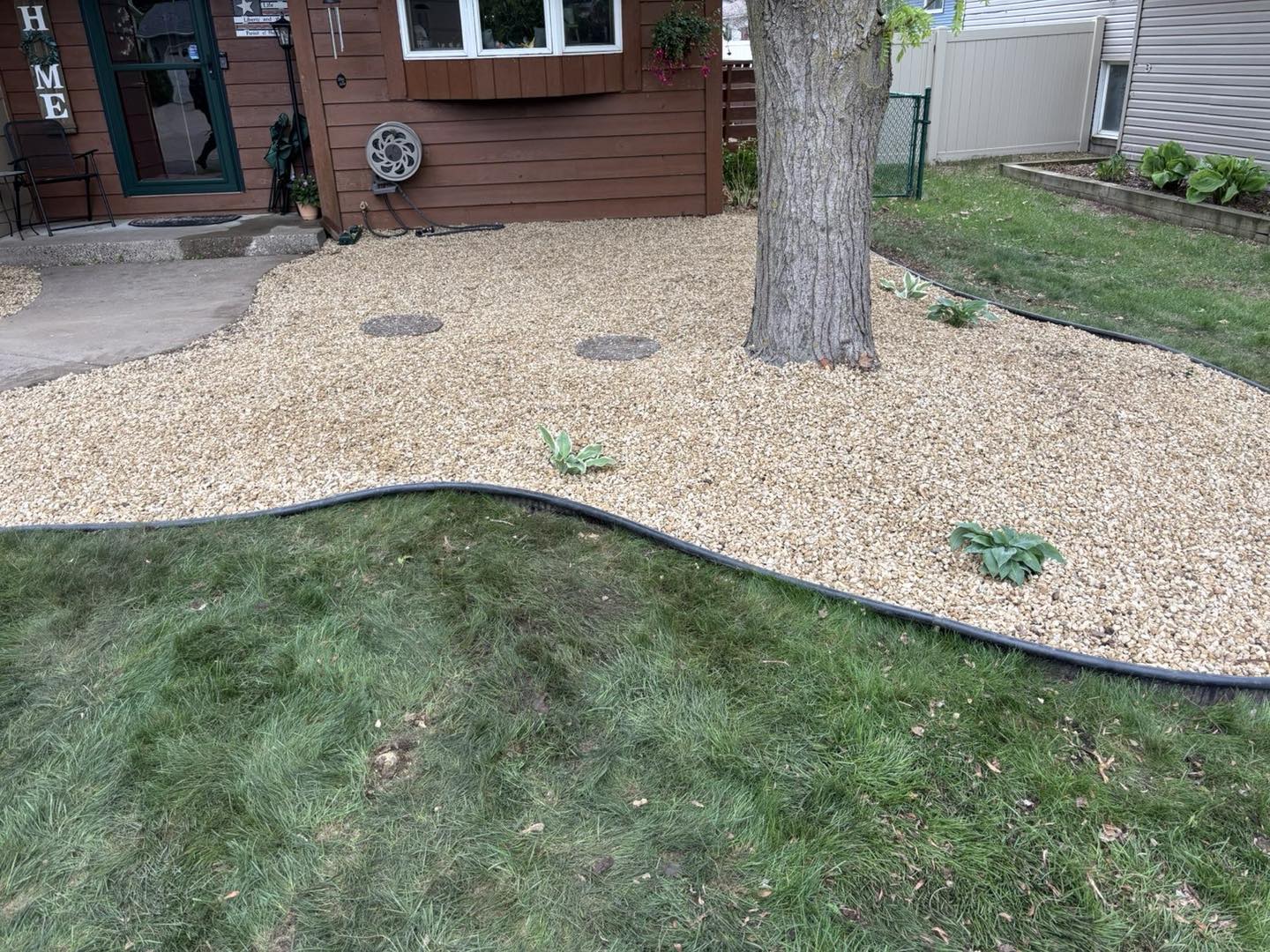
Incorporating hardscaping elements into your yard also supports sustainability. Permeable paving materials such as gravel, brick, or permeable concrete allow water to drain through, reducing runoff and promoting groundwater recharge. Hardscape designs using natural stones and materials sourced locally can enhance your yard aesthetically while minimizing transportation emissions.
Biodiversity is essential for a thriving ecosystem. Aim to create a habitat that attracts beneficial insects and wildlife. Planting a variety of flowers, shrubs, and trees that bloom at different times of the year offers food and shelter for pollinators and birds. Butterfly gardens, bird feeders, and nesting boxes are excellent additions to a diverse landscape. By fostering biodiversity, you improve the resilience of your garden and contribute to the preservation of local wildlife.
Finally, energy efficiency should not be overlooked. Strategically placing trees and shrubs around your home can reduce energy consumption by acting as natural insulators. Trees provide shade in the summer, keeping your house cool, while windbreaks help in retaining heat during colder months. This not only leads to savings on your utility bills but also reduces your household's carbon footprint.
As you embark on the journey of sustainable landscaping, remember that every small change contributes to a greener, healthier planet. At Pinpoint Outdoor Services, our goal is to support you in every step of the way, providing expert guidance on eco-friendly landscaping practices tailored to your needs. Transform your outdoor space into a sanctuary that reflects your commitment to sustainability and beautify your home with the peace of mind that you are making a positive impact on the environment.
Whether you're looking to install a new rain garden or revamp your existing landscape with native plants, adopting eco-friendly practices is a rewarding experience that offers countless benefits. Embrace the principles of sustainable landscaping today, and enjoy the many rewards of a greener, more vibrant yard.
/filters:no_upscale()/filters:format(webp)/media/9ab588c5-e4dc-4b92-9944-07a3814d250a.jpeg)
/filters:no_upscale()/filters:format(webp)/media/6e19d80a-d98f-41e1-8cc0-d2b709dadbcd.jpeg)